In August 2026, the Hungarian village of Bodrogkeresztúr became a meeting place for young people from five European countries as part of the Erasmus+ Youth Exchange “Inclusive Minds, Healthy Lives.” Participants from Slovakia, Poland, Latvia, Lithuania and Hungary came together for a week focused on mental health, emotional wellbeing, healthy lifestyles and social inclusion.
The aim of the exchange was not only to gain new knowledge, but also to create a safe and supportive environment where young people could openly share their experiences, opinions and feelings, discover different cultures and find common values.
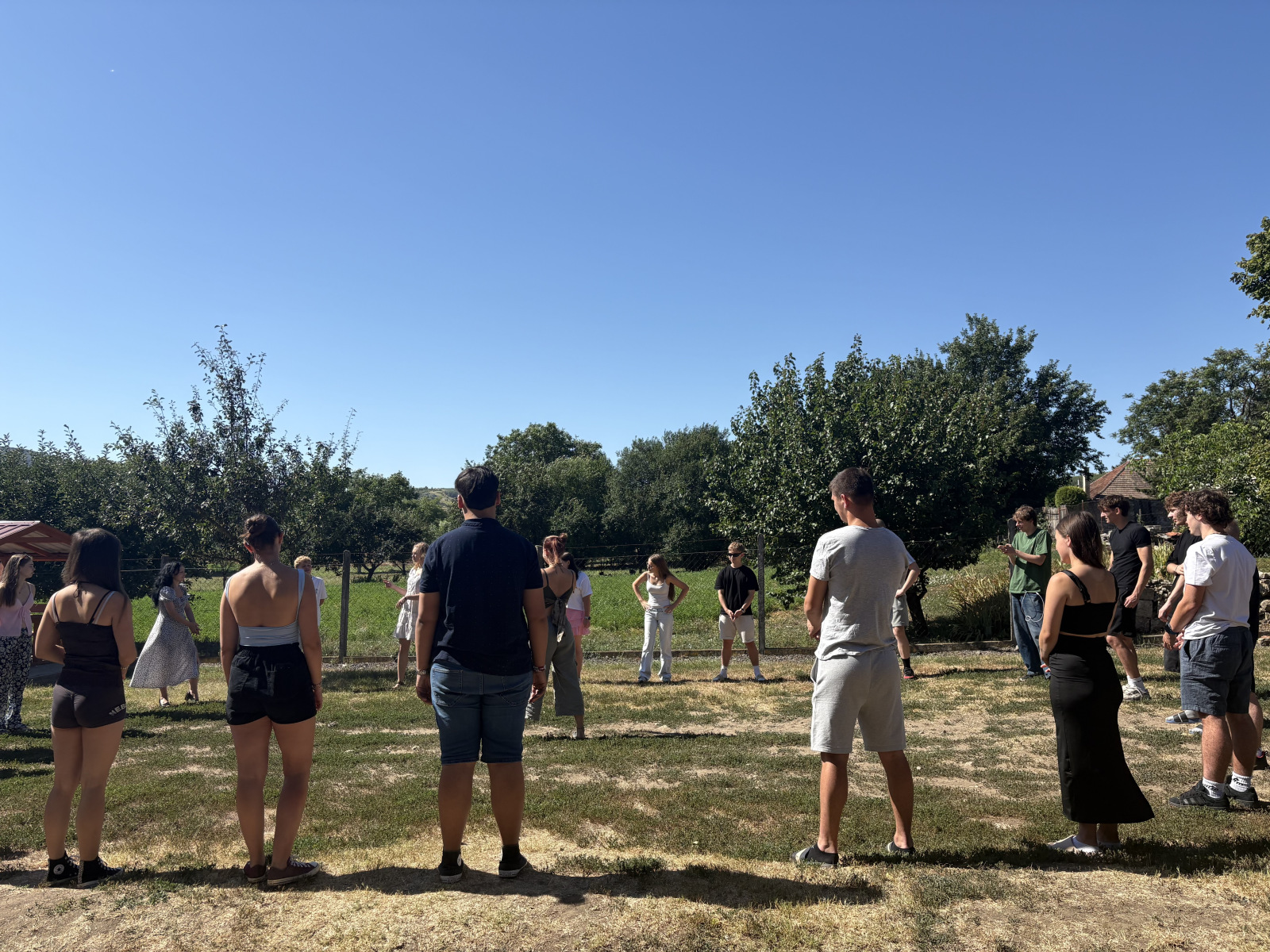
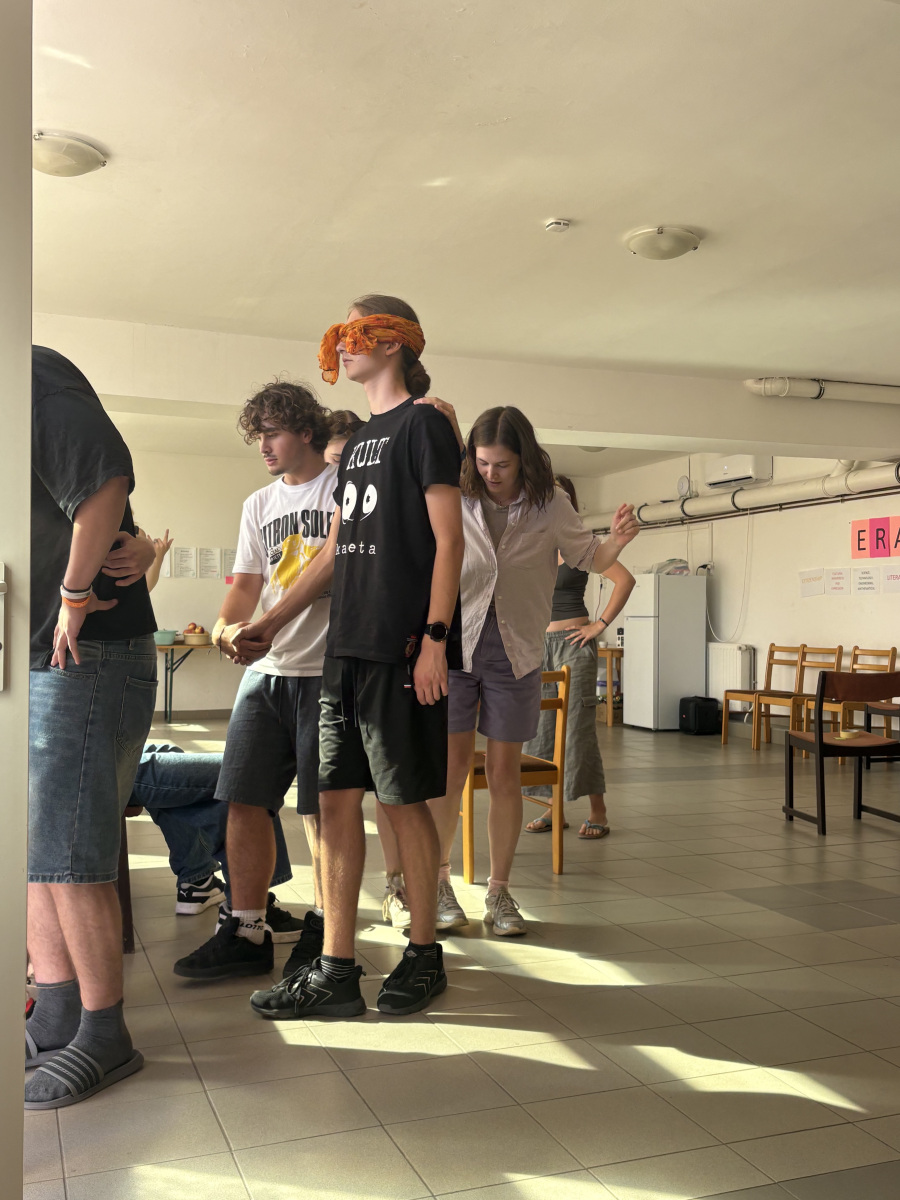
From the very beginning, the group took part in a variety of non-formal education activities, icebreakers and team-building exercises. The first days focused especially on getting to know one another, building trust and overcoming language and cultural barriers.
An important part of the beginning of the exchange was the creation of shared group rules. Together, participants discussed what was necessary for everyone to feel safe, respected, heard and comfortable taking part in the activities. This process helped establish the foundation for open communication throughout the rest of the project.
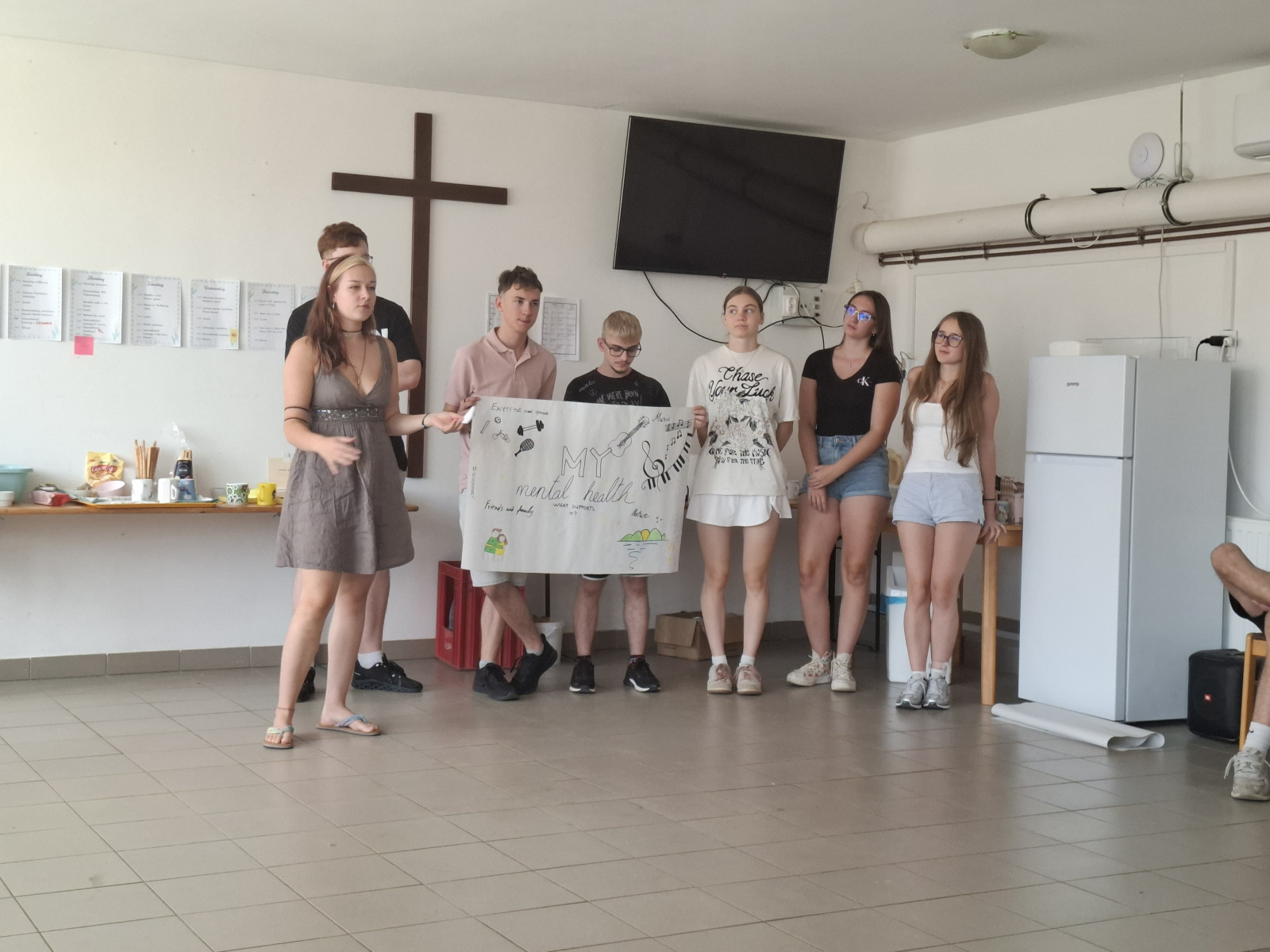
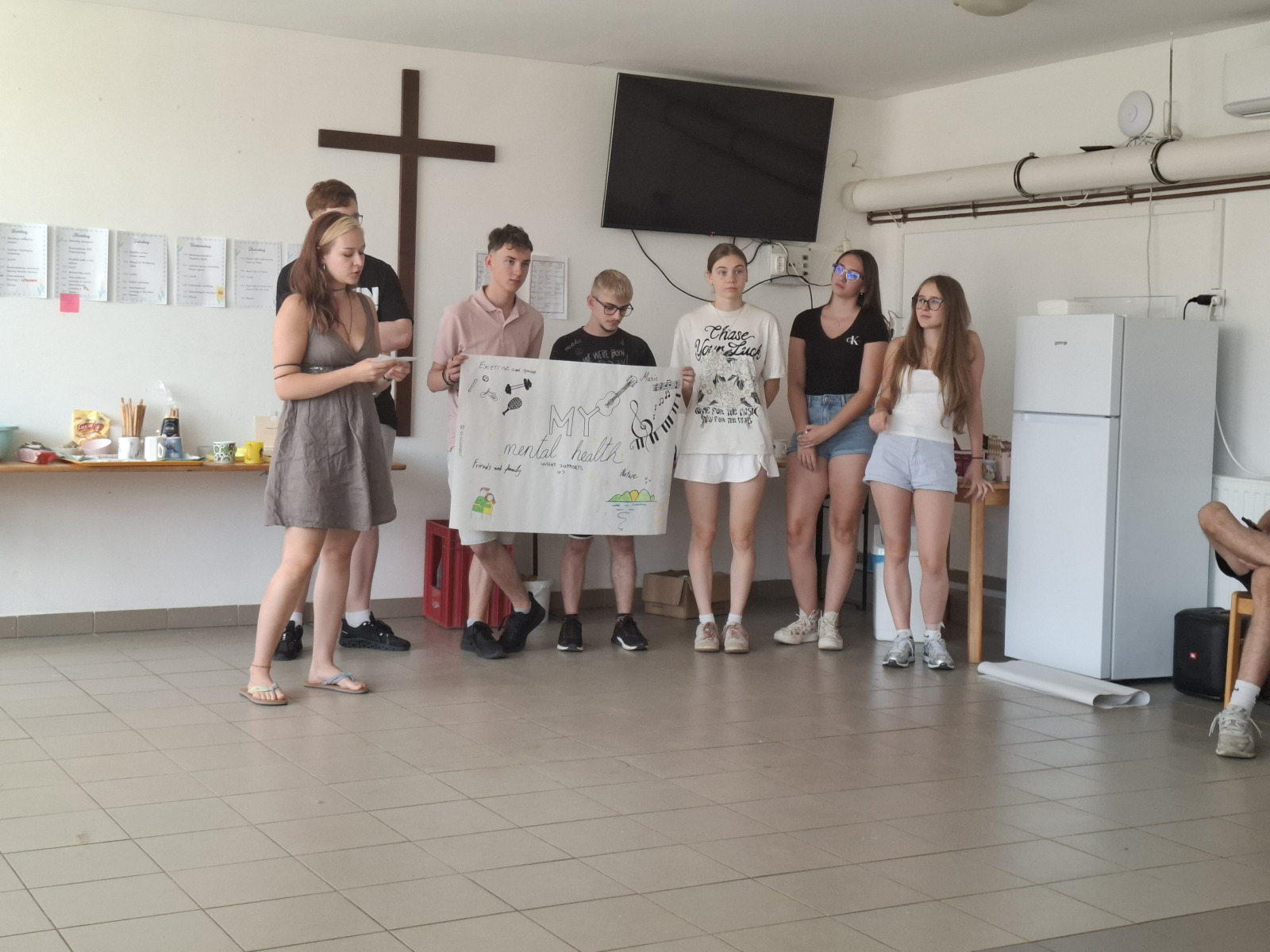
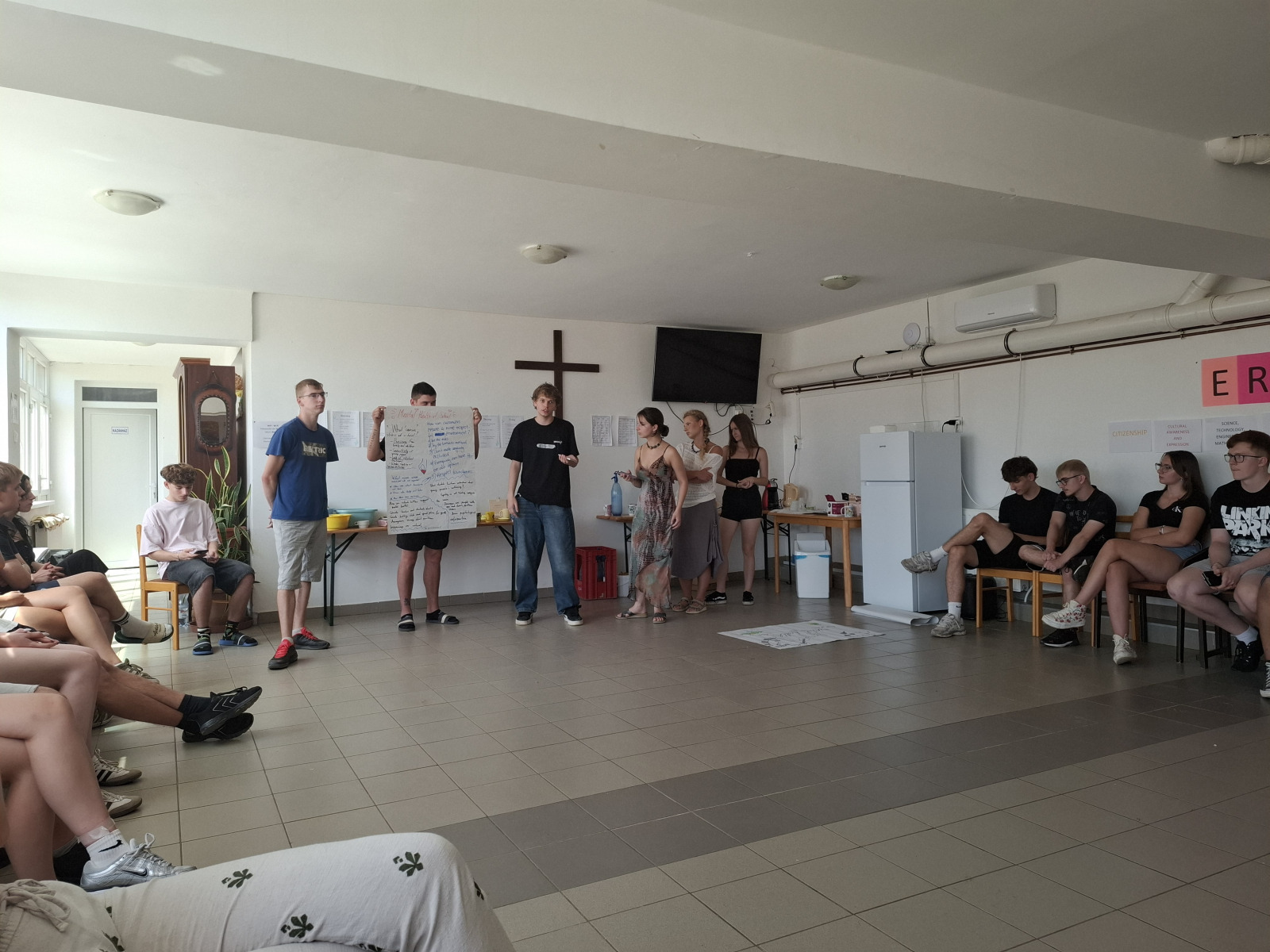
During the exchange, participants explored different aspects of mental health and wellbeing. They discussed the factors that influence our everyday emotional state, the importance of recognising when we need rest and why taking care of our mental health should be part of everyday life rather than something we only think about when problems arise.
Healthy habits and lifestyle were another important part of the programme. Participants reflected on the role of physical activity, rest, sleep, healthy nutrition and balance between responsibilities and free time. They also explored how everyday choices can influence our overall physical and mental wellbeing.
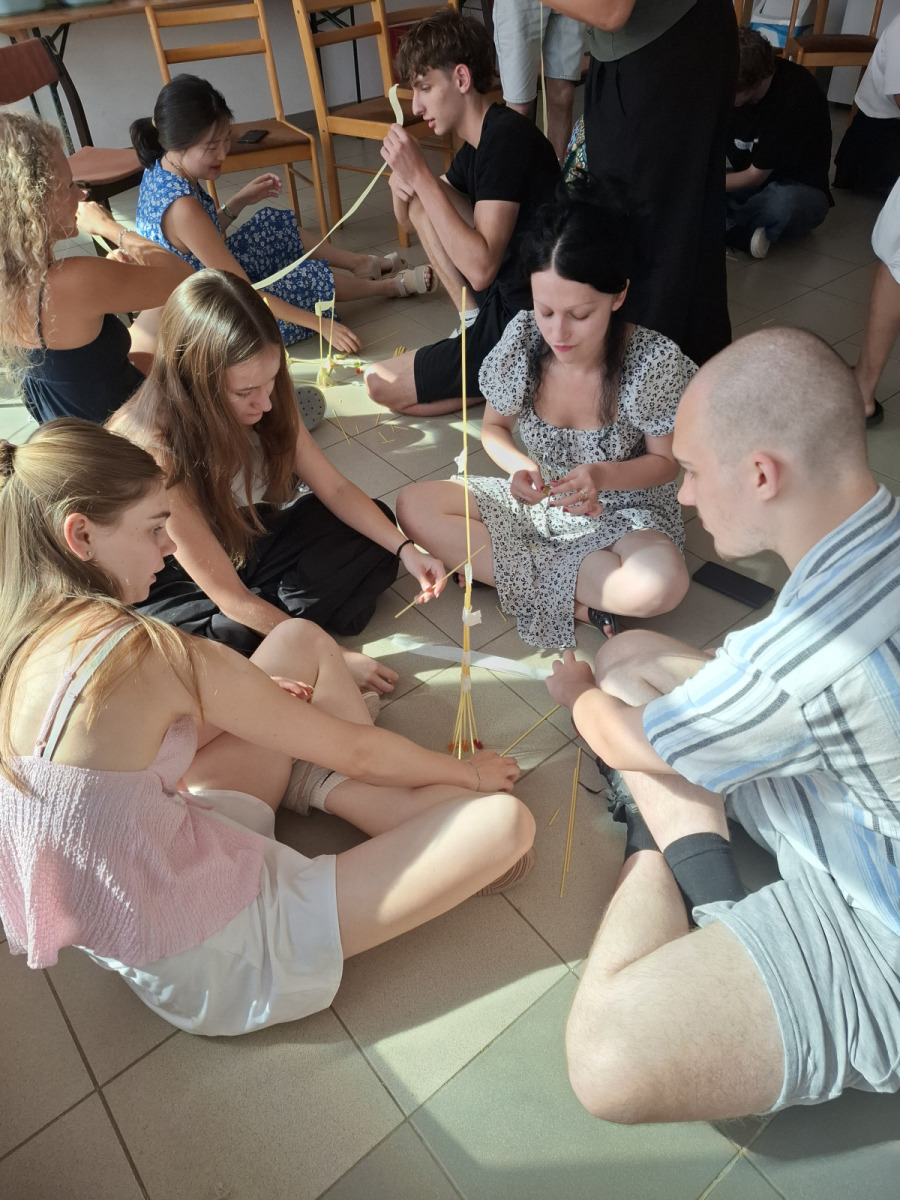
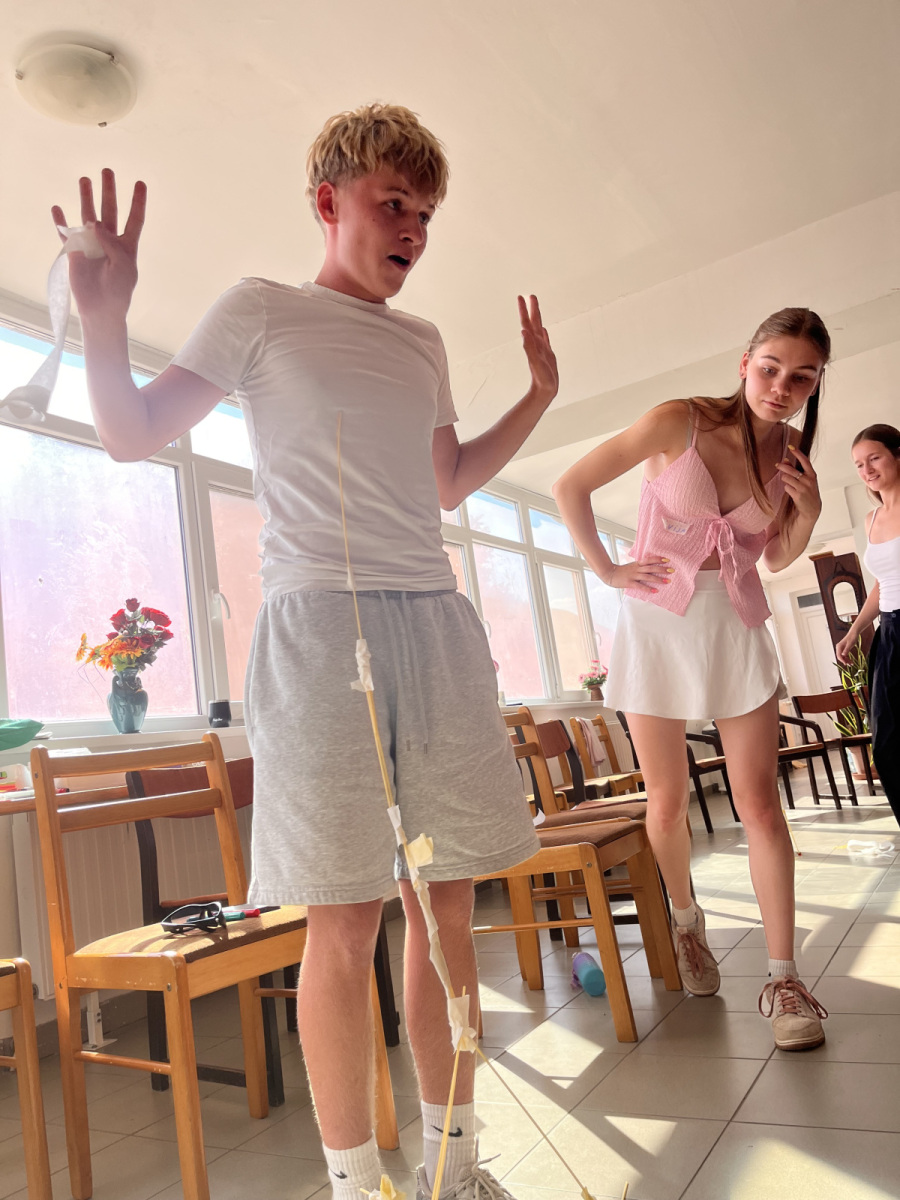
A strong focus was placed on empathy, social inclusion and respect for differences. Through role-plays, group challenges and discussions, participants had opportunities to look at different situations from other people's perspectives. These activities encouraged them to listen more carefully, challenge stereotypes and understand how small actions can help create an environment where everyone feels included.
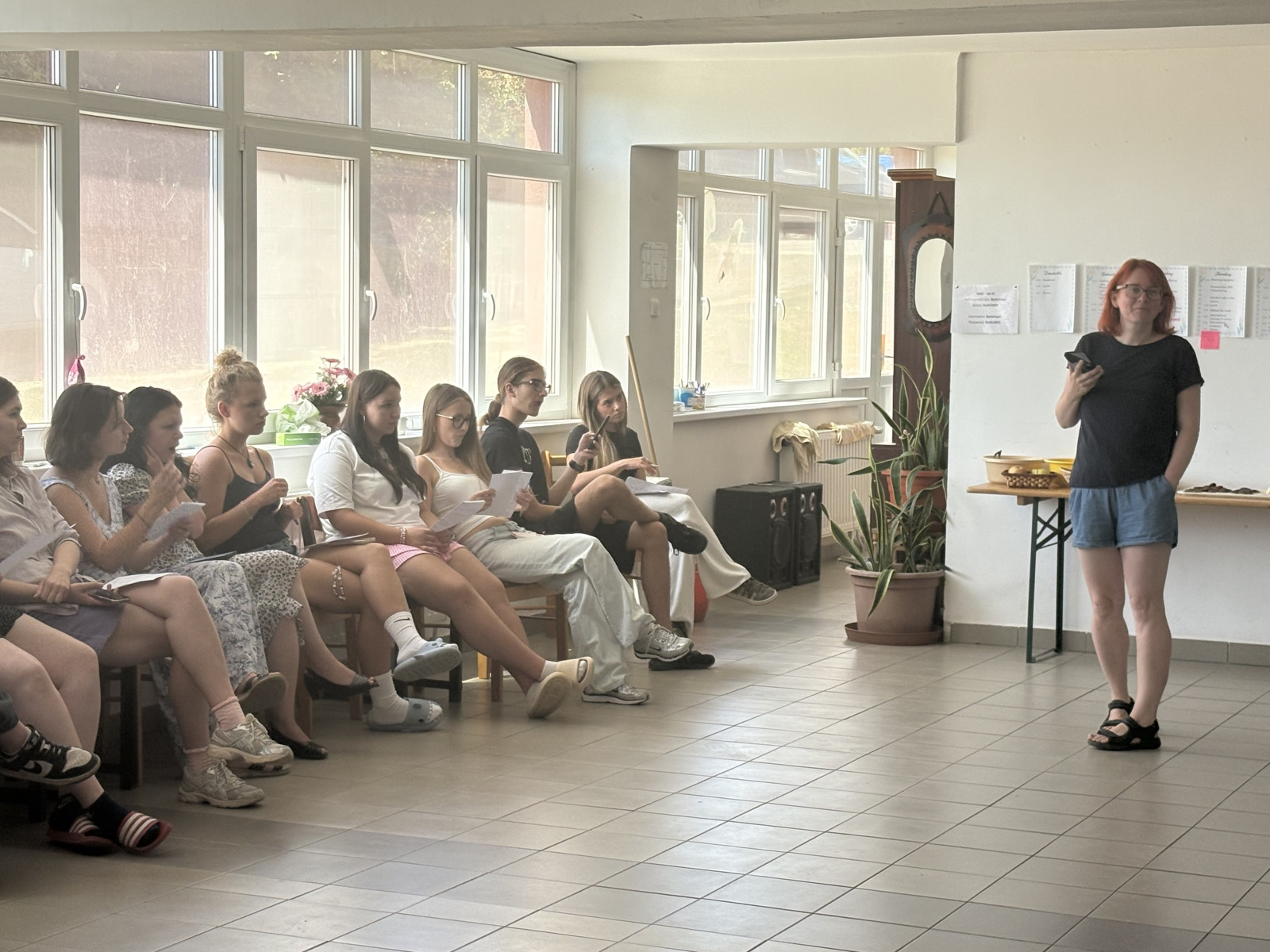
Non-formal education was at the heart of the project. Instead of traditional classroom learning, participants learned through experience, cooperation, movement, discussion and reflection. This approach allowed them not only to gain information but also to think about their own attitudes and consider how they could apply what they learned in everyday life.
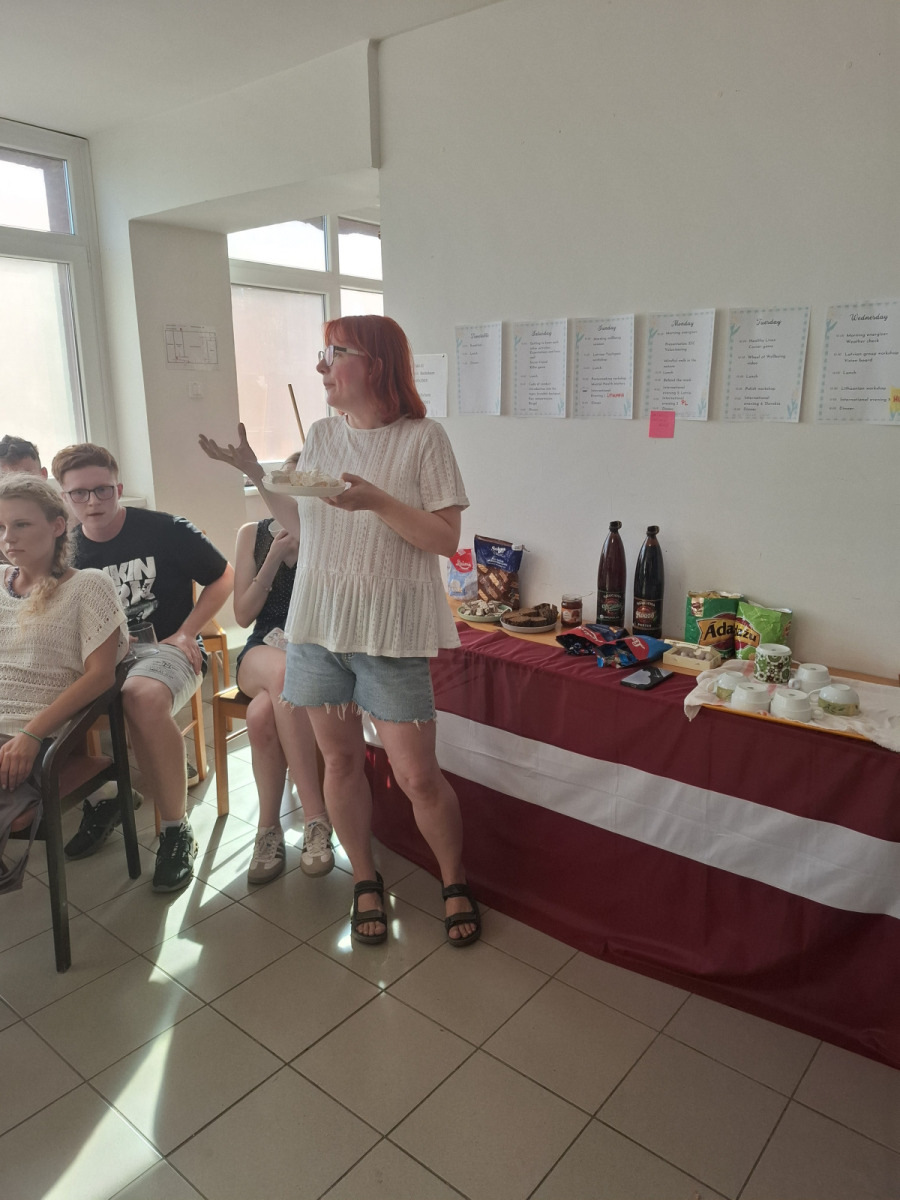
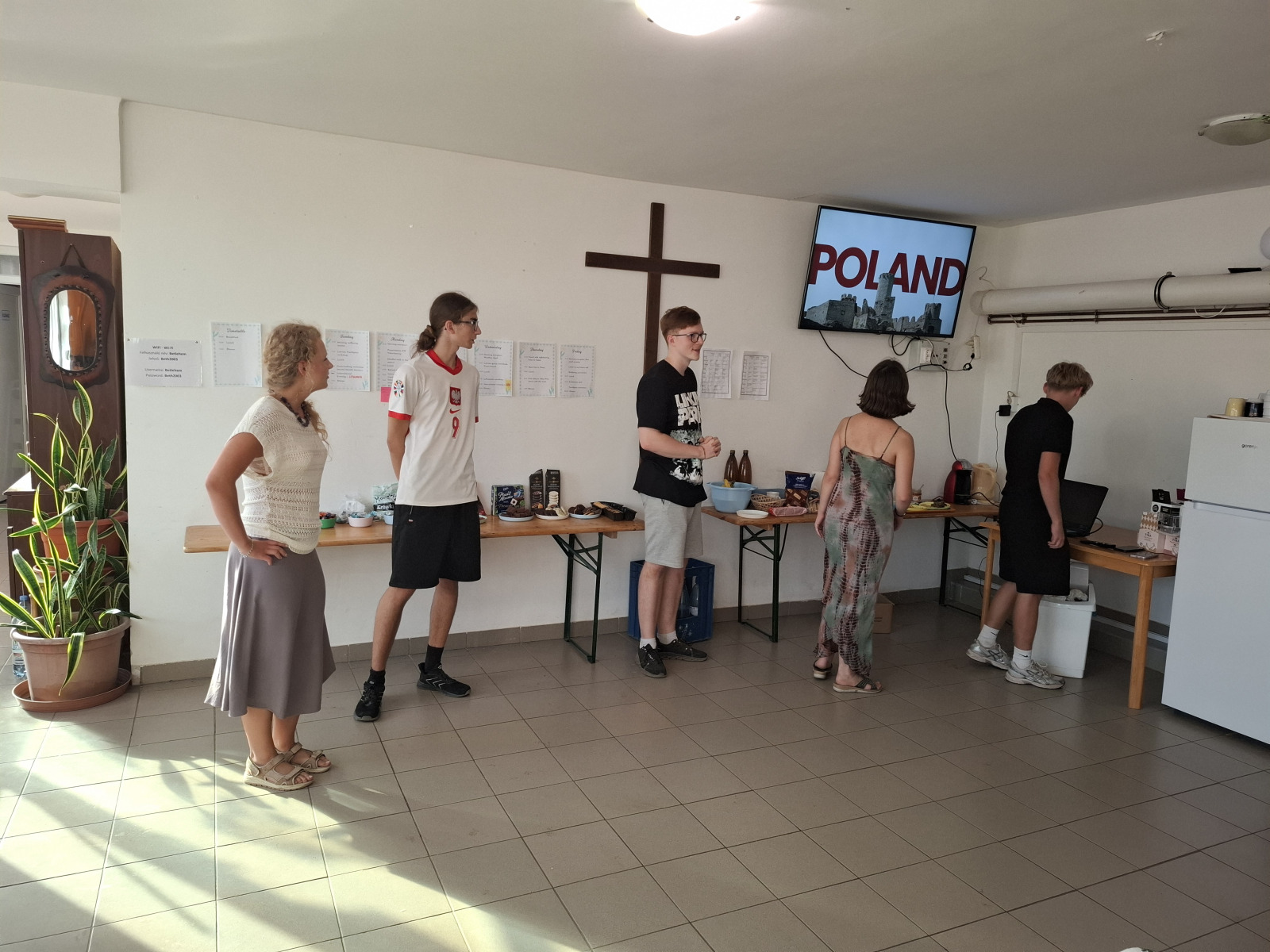
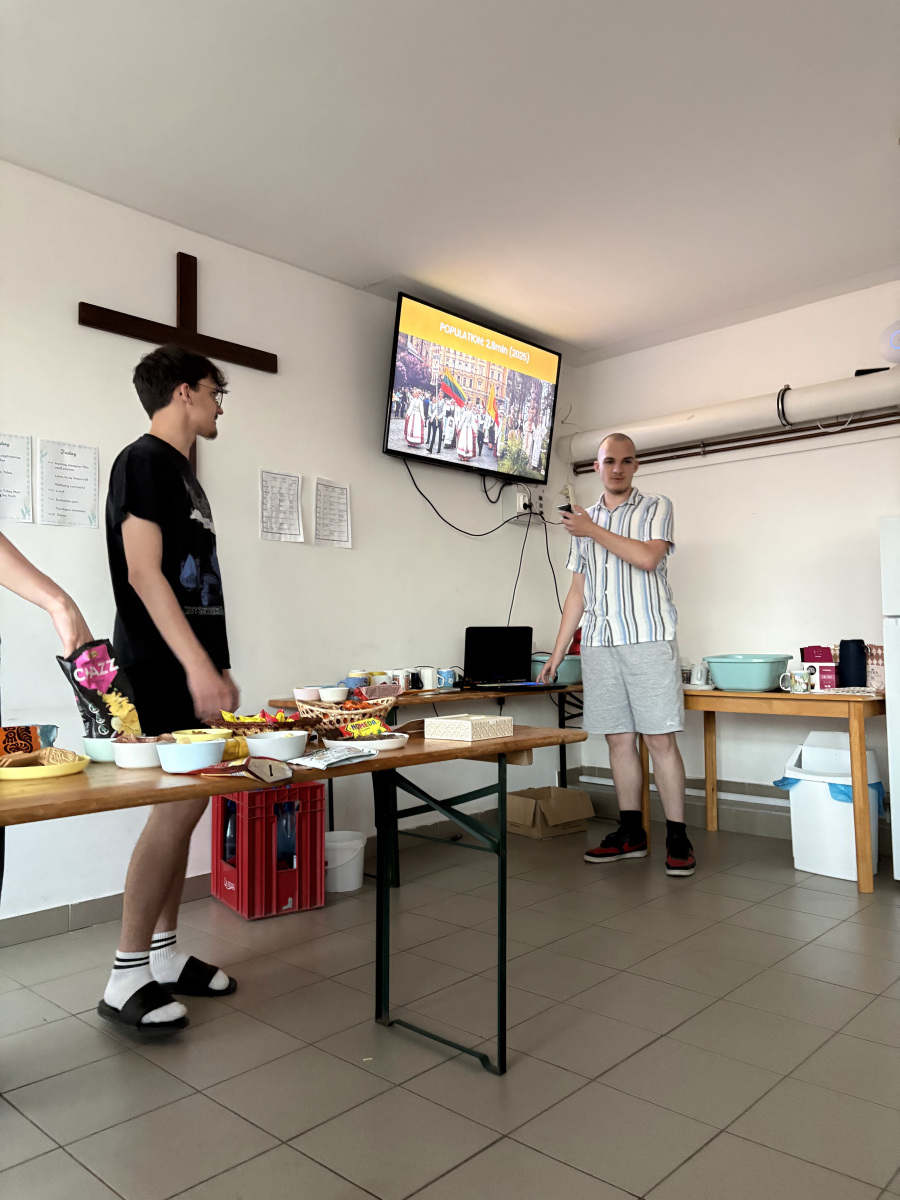
The exchange also had an important intercultural dimension. Young people had the opportunity to learn about each other's countries, traditions and everyday lives. They discovered that, despite cultural and geographical differences, young people across Europe often share similar hopes, concerns, challenges and dreams.
The group also explored the local region. One of the highlights was a trip to Tokaj, where participants travelled by sightseeing train and later enjoyed a boat trip. The excursion provided an opportunity to relax, spend time together and discover the local surroundings beyond the project venue.
Throughout the week, new international friendships developed naturally. Shared activities, conversations, evenings together, teamwork and everyday experiences gradually transformed a group of individuals from five countries into one international team. Language differences became less of a barrier and more of an opportunity to learn, laugh and connect.
“Inclusive Minds, Healthy Lives” was therefore much more than a project about mental health and healthy lifestyles. It was also a space for personal growth, mutual understanding, tolerance and solidarity among young people from different parts of Europe.
At the end of the exchange, participants took home new knowledge, practical experiences and new perspectives on mental health and social inclusion. Most importantly, they left with shared memories and friendships that can continue long after the project itself has ended.
The project showed that mental wellbeing, healthy lifestyles and an inclusive society are closely connected. They can begin with simple actions: listening to others, showing respect, asking for help, taking care of ourselves and creating spaces where everyone feels accepted and valued.
The project was implemented with the support of the Erasmus+ programme of the European Union.