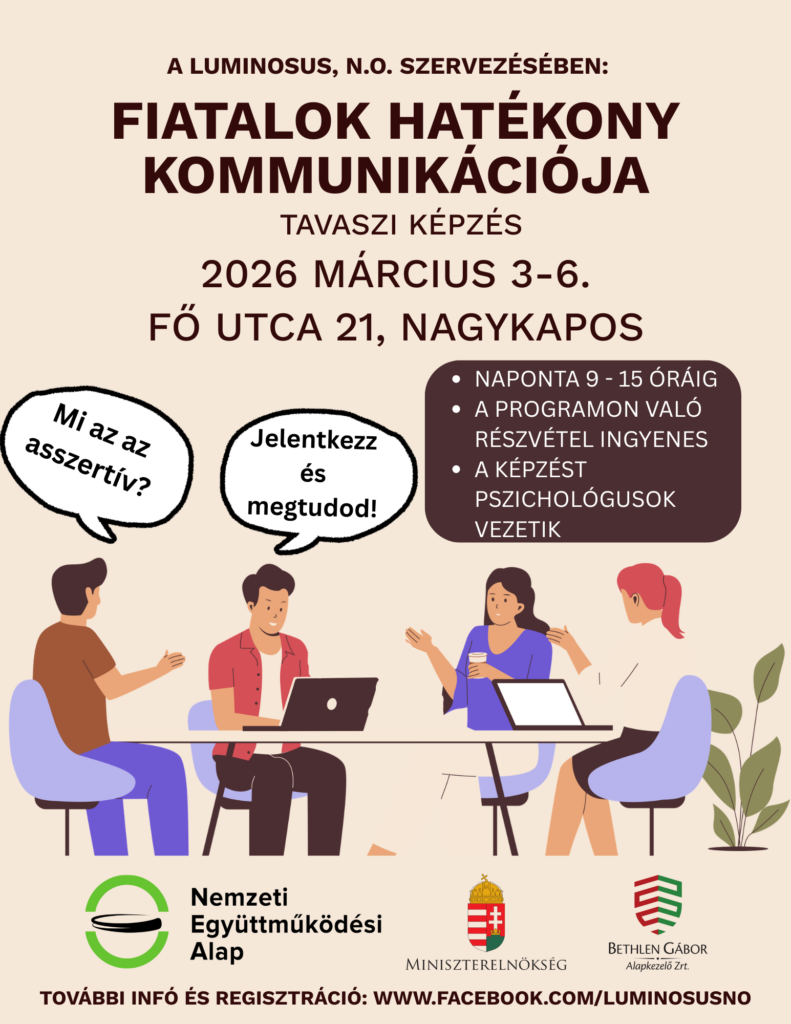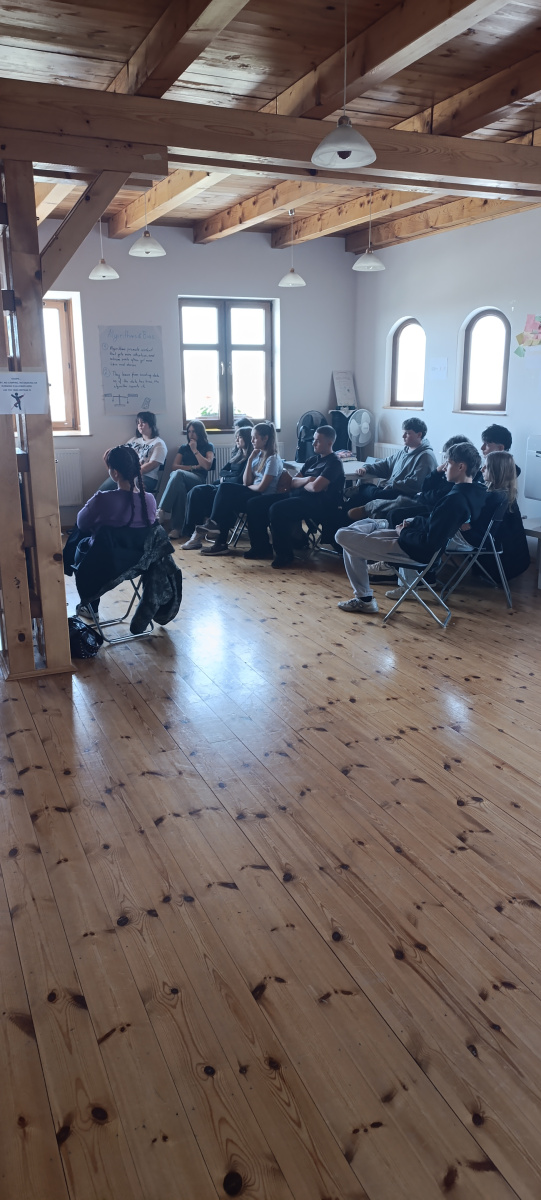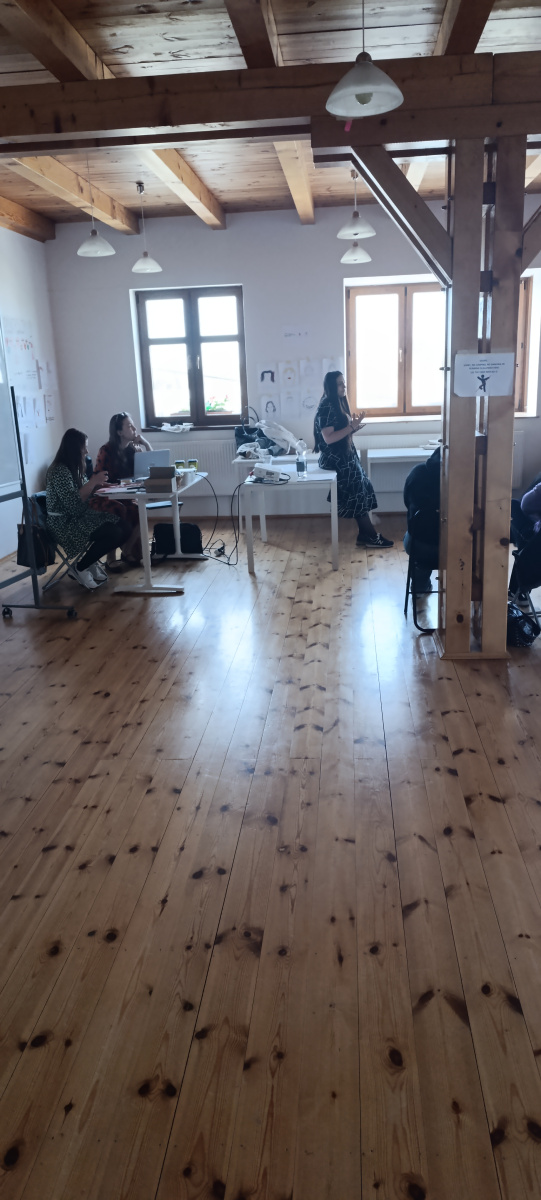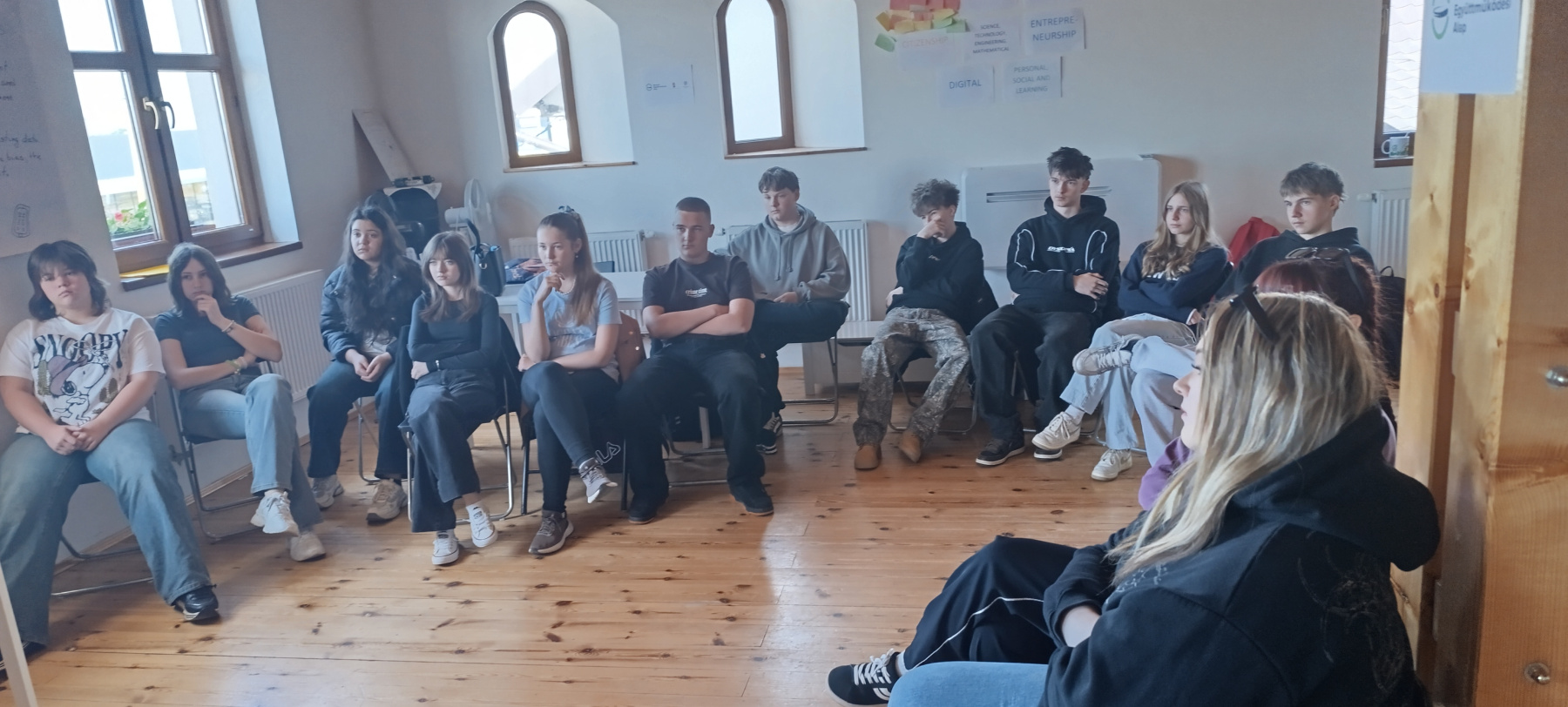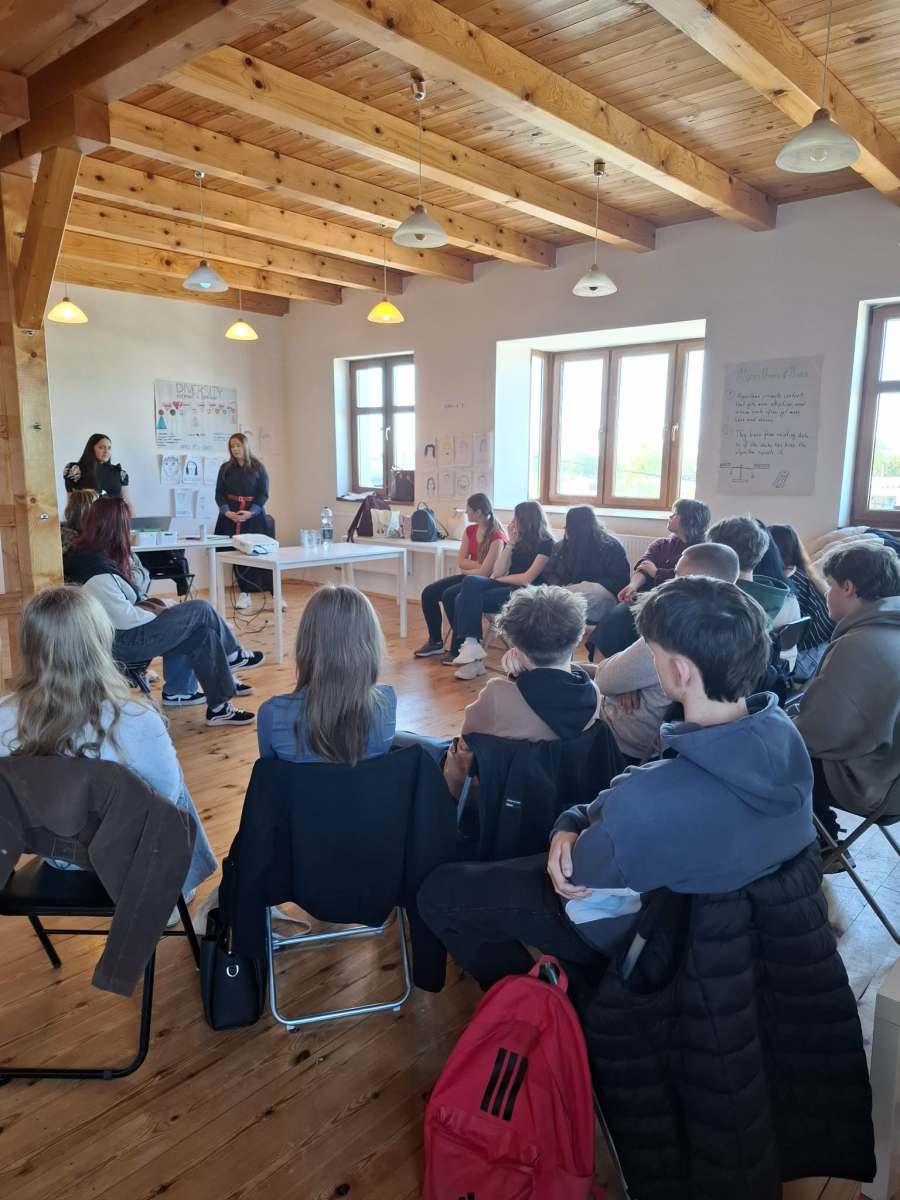
At the spring of 2026, we organized the second assertive communication training for local young people, following the successful program held in August 2025. The training was once again led by psychologists Hack Orsolya Hanna and Kerékgyártó Csenge Noémi.
The psychologists designed a detailed, step-by-step structured program that built on the experience of the previous training while also responding to the current needs of the participants. The main goal of the program was to develop a deeper understanding of communication, strengthen self-reflection, and improve practical interpersonal skills in a safe and supportive group environment.
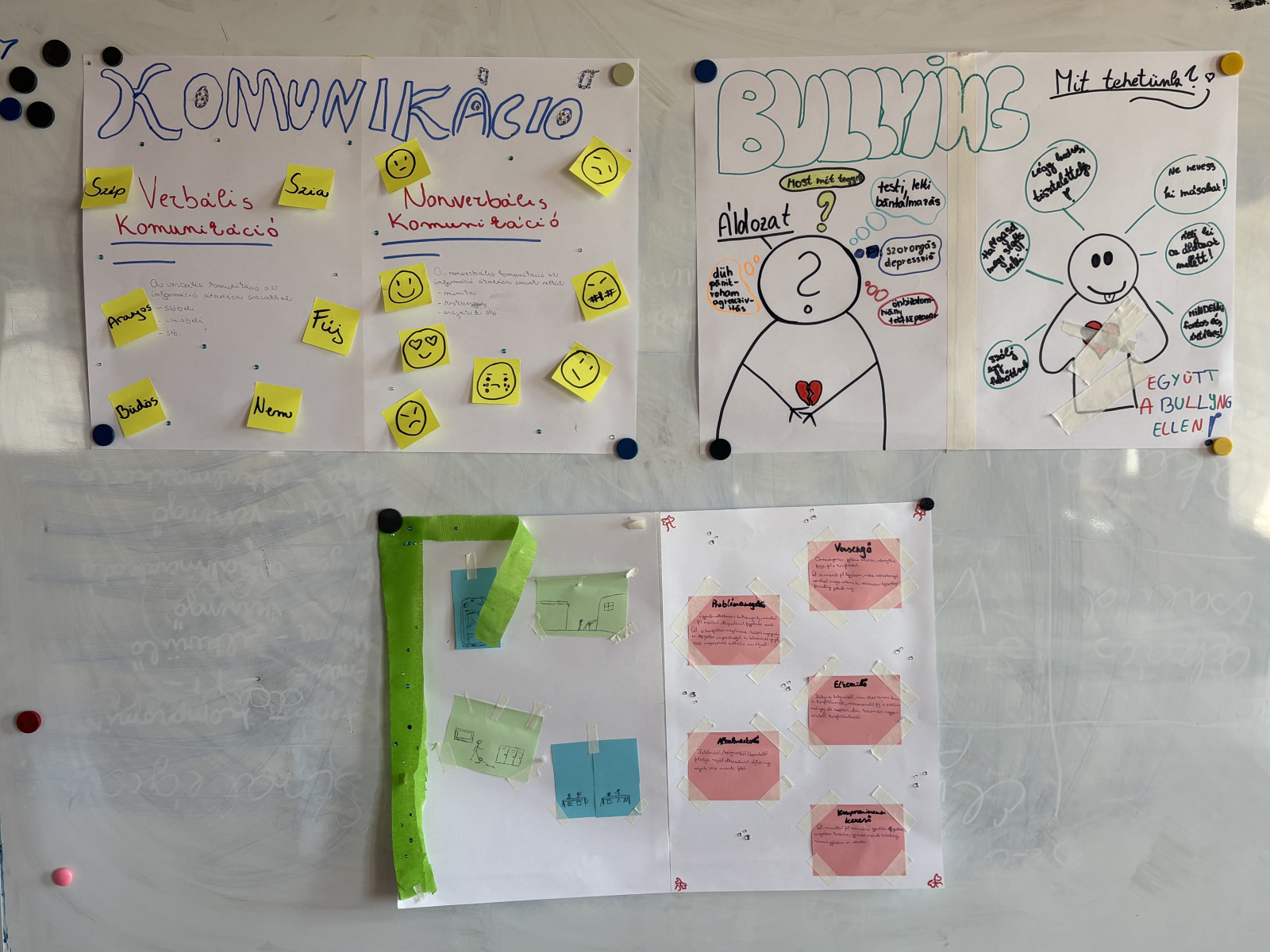
The training started with introductory and team-building activities, which helped establish trust and a safe, open atmosphere within the group. Participants then explored the basics of verbal and nonverbal communication, focusing not only on spoken content but also on tone of voice, body language, facial expressions, and other nonverbal cues.
The program included interactive presentations and facilitated discussions on assertive communication, conflict situations, and bullying. Participants learned about different conflict management styles – competing, problem-solving, avoiding, accommodating, and compromising – and analyzed their advantages and limitations in various real-life contexts. A key focus was the balance between assertiveness, cooperation, and compromise.
A significant part of the training consisted of situational exercises and role-playing activities, where participants acted out real-life conflict scenarios and experimented with different responses. These were followed by guided reflections, where they discussed their experiences and explored more effective communication strategies.
Nonverbal communication exercises were also included to enhance awareness of body language and emotional responses. The entire program was based on active participation, feedback, and experiential learning.
Participants remained highly engaged, open, and motivated throughout the training, and they described the program as practical, understandable, and highly applicable in everyday life.
The training was supported by the Nemzeti Együttműködési Alap programme of the Hungarian Government.
Project number: NEAO-KP-1-2025/10-001309